Hot Posts

Articles3 months ago

Every great scientific breakthrough often starts with something small—an unnoticed detail, a quiet experiment, a single observation that sparks a ripple of change. While headlines frequently celebrate monumental discoveries such as the mapping of the human genome or the first image of a black hole, it’s the small, seemingly modest scientific advances that shape our daily lives in ways we often take for granted. The antibacterial coating on our cutting boards, the fuel-saving formula in our car engines, and even the preservation technique that keeps fruits fresh for longer—all are born from moments of curiosity and careful adjustment in laboratories around the world. These incremental findings rarely make the news, but they form the foundation of modern comfort and safety. Consider the refinement of materials science: a new polymer developed to be slightly lighter or more flexible may lead to medical implants that last longer or sportswear that better regulates body temperature. In medicine, a tweak to a diagnostic method might reduce detection time for an illness by mere minutes, yet save countless lives through earlier treatment. Small discoveries accumulate, like building blocks, quietly revolutionizing efficiency, health, and convenience. Perhaps what makes these subtle advances remarkable is how seamlessly they integrate into daily routines. We may never know the names of the scientists behind them, but their influence surrounds us—from the resilient packaging that keeps coffee aromatic to the energy-efficient lighting in our homes. In the end, it’s the hidden, fine-grained progress of science that most intimately defines the world we live in.


Articles3 months ago

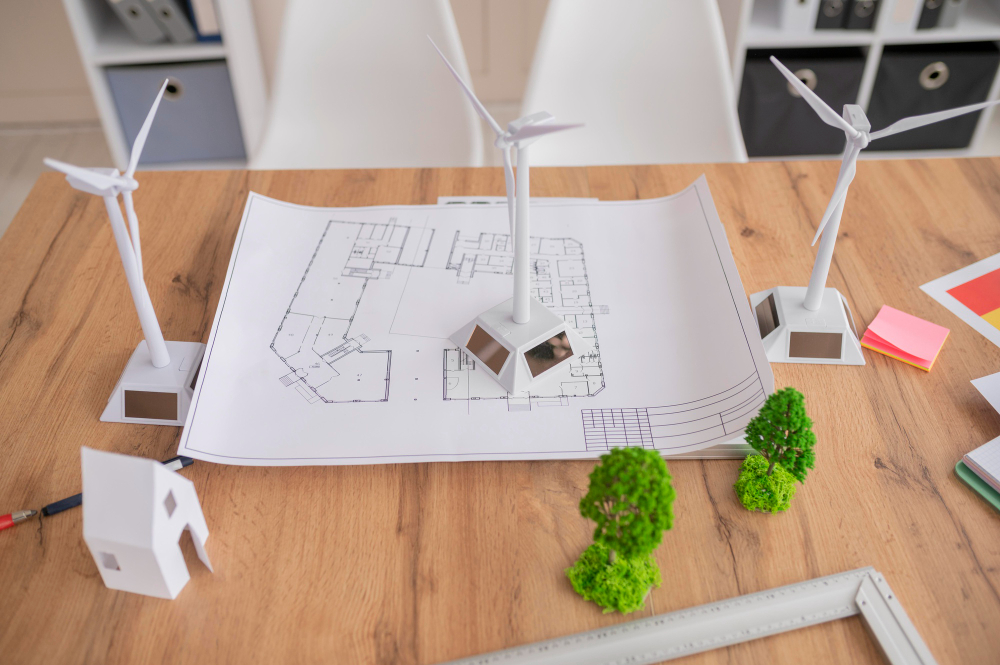
As energy costs continue to rise and concerns about climate change intensify, many homeowners and renters are exploring ways to make their living spaces more sustainable. Alternative energy sources are no longer reserved for large corporations or remote eco-villages—they’re becoming more accessible for households of all types and sizes. Whether you live in a single-family home, a townhouse, or a city apartment, there are now a variety of renewable options that can reduce your dependence on traditional utilities while lowering your carbon footprint. Among the most popular choices, solar power leads the way, driven by rapidly improving technology and decreasing installation costs. Rooftop panels can supply a significant portion of a home’s electricity, and even renters can participate through community solar programs. Wind energy, while once limited to rural areas, is also gaining momentum thanks to smaller, quieter turbine designs suited for residential use. Geothermal systems, though requiring more upfront investment, offer incredible efficiency by tapping into the earth’s natural heat for both warming and cooling. For those in apartments or urban environments, micro-hydro units, air-source heat pumps, and biomass heating present additional possibilities. Each solution comes with its own challenges and benefits, but all share a common goal: transforming everyday living into a cleaner, more self-sufficient experience. Exploring these alternatives isn’t just about saving money—it’s about reshaping the way we think about energy, comfort, and responsibility within our homes.

Articles3 months ago

Choosing the right podcast format is one of the most important decisions a creator makes before pressing record. The structure of a show shapes not only how content is delivered but also how listeners experience and connect with it. Before picking a format, it’s crucial to understand who your audience is and what they want from their listening time. Are they seeking in-depth analysis, entertaining banter, or quick insights during their commute? These preferences can determine whether a solo show, an interview series, or a roundtable discussion is the best fit. Each format carries its own rhythm and energy. A solo podcast allows for strong personal branding and authorial control, ideal for hosts with expertise or storytelling flair. Interview formats, on the other hand, bring in diverse voices and can help expand your network while keeping content dynamic and fresh. For those who thrive on spontaneous conversation, a co-hosted style can offer chemistry and warmth that audiences find relatable. Some creators even experiment with narrative or documentary-style episodes, blending sound design and scripting to immerse listeners more deeply. Ultimately, the right format emerges from a balance of purpose, personality, and practicality. A well-chosen format doesn’t just showcase your ideas—it serves the listener’s needs while making production sustainable for you. Test a few approaches, gather feedback, and stay flexible. Over time, your format will evolve naturally, reflecting both your growth as a creator and the changing interests of your audience.

Articles3 months ago

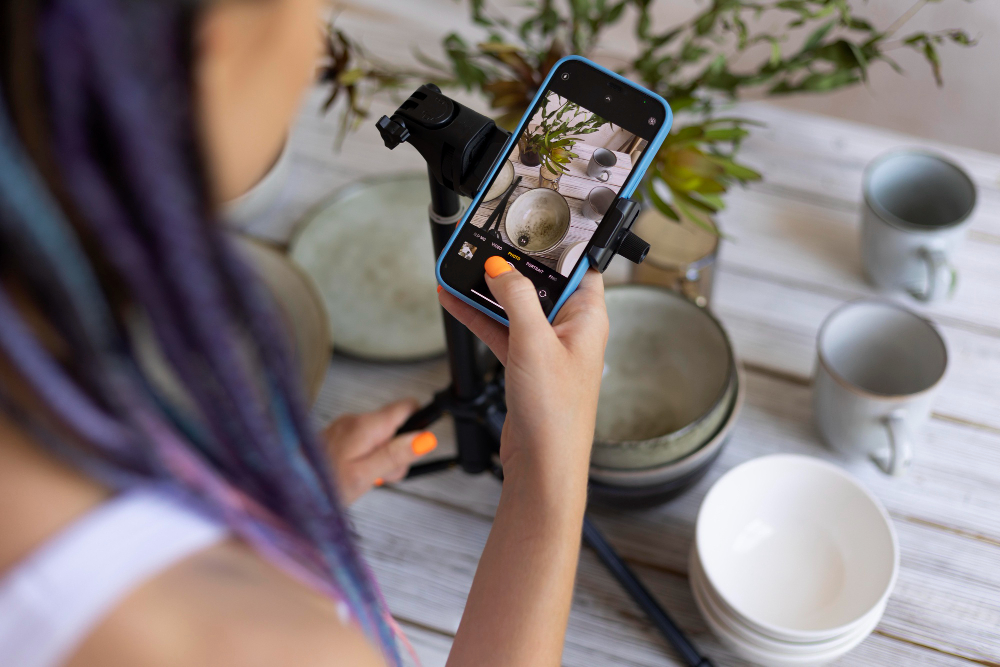
You don’t need an expensive DSLR or a studio setup to take striking photos anymore—your smartphone can be one of the most powerful creative tools you own. The secret lies not in the device itself, but in how you use it. Smartphone photography is about understanding light, composition, and perspective, and learning to make the most of the technology in your pocket. Many people rely on filters and editing apps to improve their shots, but great results begin before you even tap the shutter button. Start by paying attention to natural light. Morning or late-afternoon sun can create softer tones and add emotional depth to your images, while harsh overhead light can flatten the subject. Try experimenting with angles, reflections, and shadows to transform an ordinary scene into something visually interesting. Composition is another key element. The “rule of thirds” remains one of the simplest yet most effective techniques to create balance and focus in a photo. Instead of placing your subject directly in the center, imagine dividing your frame into thirds both horizontally and vertically, then position your subject along one of those lines. Meanwhile, clean backgrounds and leading lines can help draw the viewer’s eye naturally. Finally, take advantage of your phone’s settings. Modern smartphones include advanced features—portrait modes, manual focus, exposure adjustments—that mimic what professional cameras can do. With patience and creativity, your smartphone can capture moments that feel cinematic, intimate, and genuinely unique.

Sidebar Search Trending
Popular Now
Loading

Signing-in 3 seconds...

Signing-up 3 seconds...